
TL;DR: A sewage backup is always Category 3, black water, under the ANSI/IICRC S500 standard, meaning it’s grossly contaminated and requires professional extraction, removal of affected porous materials, and antimicrobial treatment, not a mop and a box fan. Standard homeowners insurance usually excludes sewer or sump backup unless you’ve added a water backup endorsement. In Perris, older plumbing and nearby septic systems make backups common, so shutting off the water and calling a licensed remediation crew protects both your health and your claim.
If sewage is bubbling up through a floor drain, a toilet won’t stop overflowing, or your bathtub is filling with gray water that smells like a sewer, stop using every drain in the house right now. This isn’t a job for a wet-dry vac and some bleach. Whether you’re in an older home near downtown Perris with cast-iron drain lines or on a septic system out toward Mead Valley or Good Hope, a backup means contaminated water has already touched your flooring, baseboards, and possibly your HVAC returns. What you do in the next hour affects how much of your home gets saved.
Is a sewage backup actually Category 3 water damage?
Yes. Any water from a sewer line, a septic tank, or a toilet overflow beyond the trap is Category 3, also called black water, under the ANSI/IICRC S500 standard. That classification exists because the water carries bacteria, viruses, and parasites, not just dirt.
This matters for how the job gets done. Category 1 and some Category 2 water can often be dried in place. Category 3 water generally means porous materials it touched, carpet, carpet pad, drywall below the flood line, baseboards, and sometimes subfloor, get removed rather than dried, because you can’t sanitize porous material well enough to make it safe again. A toilet overflow with only urine is Category 2; the moment it involves feces or comes from a floor drain or sewer line, it’s Category 3, full stop.
What does professional sewage cleanup actually involve?
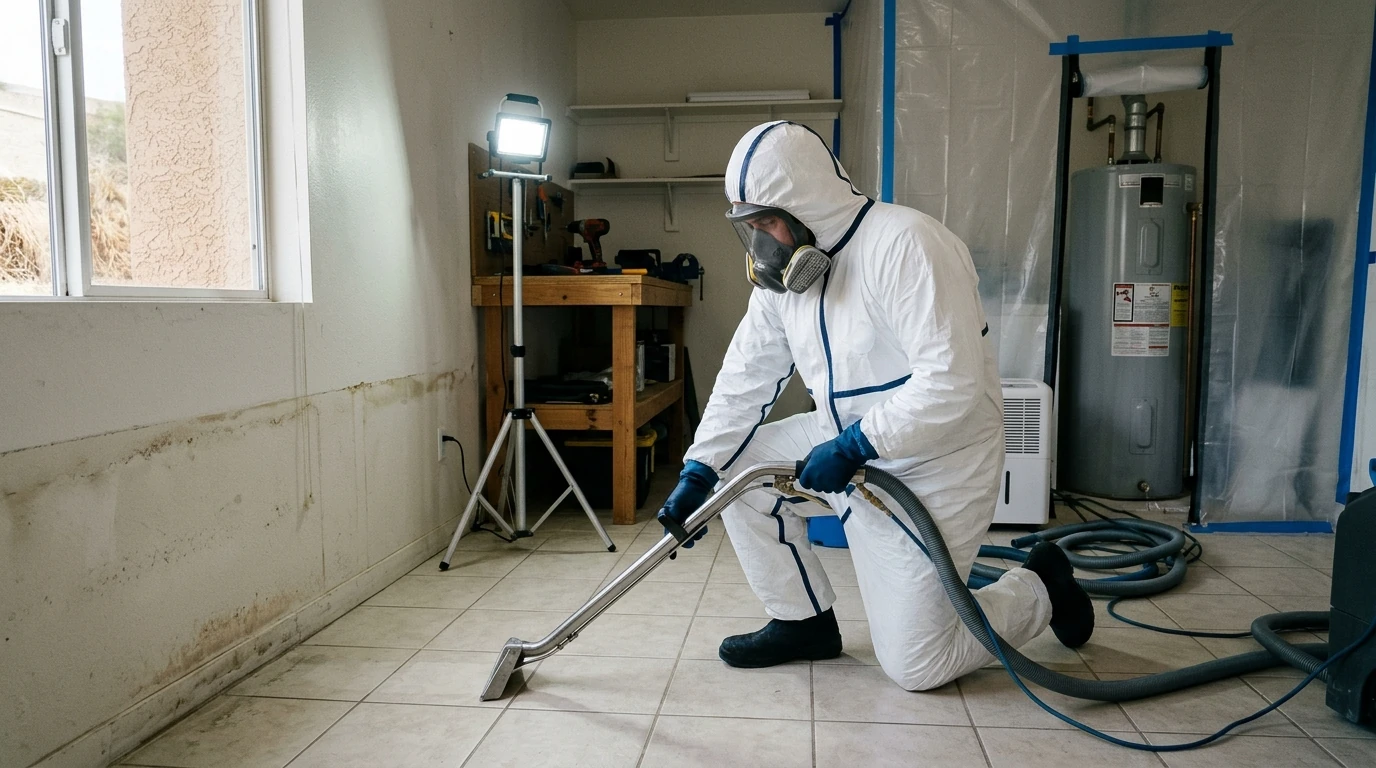
Professional sewage cleanup follows a set sequence: contain the area, extract the contaminated water, remove and discard unsalvageable porous materials, clean and disinfect what remains, then dry and verify the space is safe. Skipping steps is how a one-day job turns into a mold problem three weeks later.
In practice that looks like:
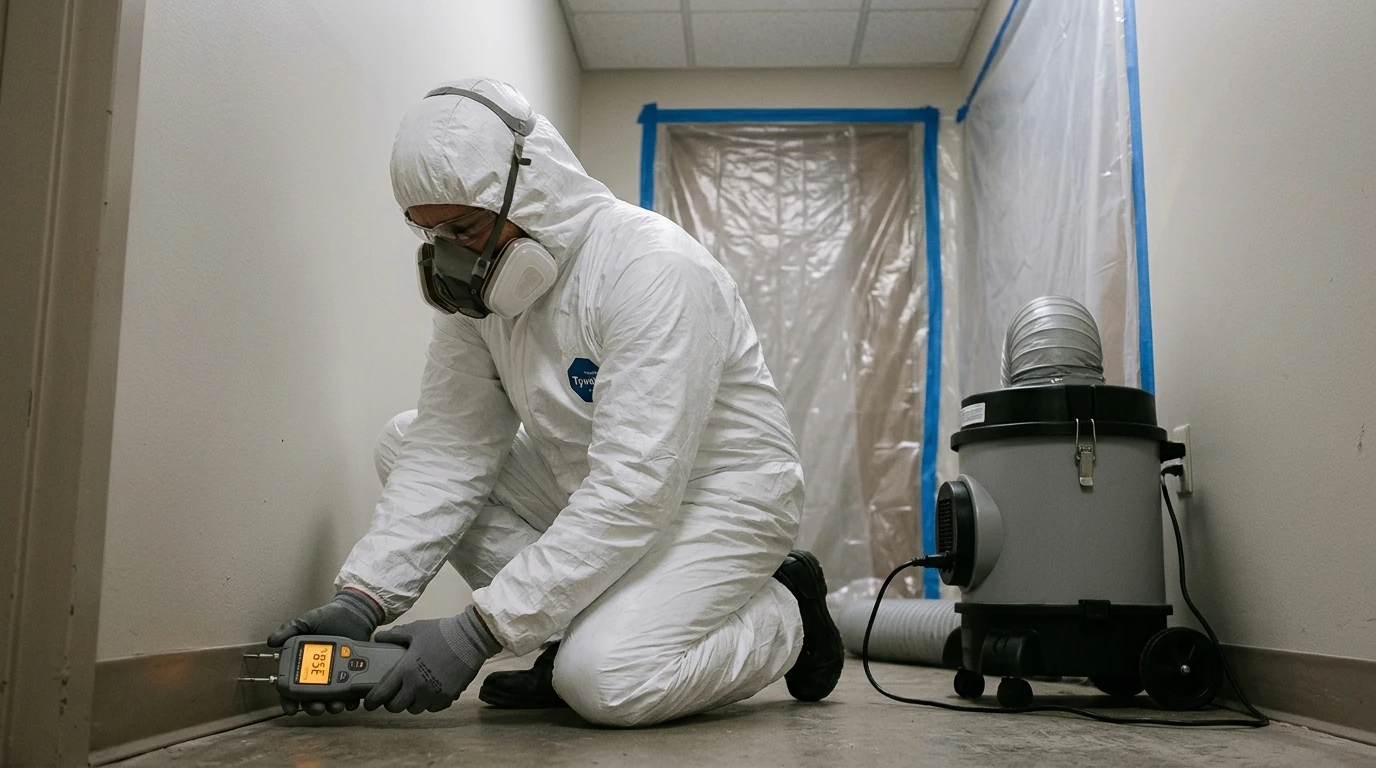
- Containment - plastic sheeting and negative air pressure to keep contaminated air and odor from spreading to the rest of the house.
- Extraction - pumping out standing water with equipment rated for contaminated water, not a shop vac.
- Demolition of affected materials - carpet, pad, and drywall below the waterline typically come out; tile and concrete can usually be cleaned and stay.
- Cleaning and antimicrobial treatment - surfaces get washed, then treated to address the bacteria and odor left behind, per the CDC’s guidance on cleaning safely after a disaster.
- Structural drying - air movers and dehumidifiers bring the remaining materials back to a normal moisture reading, confirmed with a moisture meter, not a guess.
- Verification - a final check that the space is dry and the odor is gone before anyone moves furniture back in.
If you’re also dealing with standing water from a different source, our guide on what to do in the first 24 hours after water damage covers the broader triage steps.
Will homeowners insurance cover sewage cleanup in Perris?
Usually not, unless you’ve added a water backup or sewer backup endorsement to your homeowners policy. A standard policy typically covers sudden water damage from inside the home, like a burst pipe, but sewer backup and sump pump failure are commonly excluded without that specific rider.
If you’re not sure whether you have that endorsement, check your declarations page or call your agent before you call anyone else. It’s a relatively inexpensive add-on in most states, but it has to be in place before the loss happens; you can’t add it after the fact to cover this claim. If you do have coverage, document everything, standing water, affected materials, the source, with photos before any cleanup starts. Our plain-English breakdown of what homeowners insurance covers for water damage walks through the documentation that protects a claim.
What mistakes make a sewage backup worse?
The most common mistake is treating it like a regular spill: mopping it up, running fans, and moving on. That spreads contaminated water into dry areas and leaves bacteria in materials that look fine on the surface.
Other things that make it worse:
- Running more water through the system before the blockage or failure is fixed, which pushes more sewage back into the house.
- Skipping the crawl space or slab penetrations, where contaminated water pools and keeps feeding odor and microbial growth long after the visible mess is gone.
- Trying to dry carpet and drywall that touched Category 3 water instead of removing them, because mold can start growing on wet material within 24 to 48 hours, and no amount of air movement sanitizes black water residue.
- Confusing a sewer line backup with a septic tank problem. If your septic tank itself is full or failing, that’s a job for a septic service first; our crew handles the water damage inside the structure once the source is addressed.
What should you do right now, before help arrives?
Stop using water in the house, keep people and pets out of the affected area, and avoid direct contact with the water. Don’t try to extract it yourself with household equipment, and don’t run HVAC if the backup is near a return vent.
Take photos of the standing water and any visible damage for your insurance file, then call Thunder Restoration at (951) 479-7038 to schedule an assessment. Our crews are IICRC Certified and OSHA trained specifically for contaminated water loss, and because we operate 24/7, you’re not stuck waiting until Monday with sewage sitting in your home.
A sewage backup isn’t something to wait out. The longer contaminated water sits against drywall and subfloor, the more material has to come out and the longer the rebuild takes. Getting a crew on-site quickly, with the right PPE and extraction equipment, is what keeps a bad morning from becoming a gutted bathroom.
About Thunder Restoration
Thunder Restoration is an IICRC Certified Firm serving Perris, CA and the surrounding Riverside County area since 2007 (CSLB license #902886). Their crews handle water damage restoration, sewage cleanup, mold remediation, fire and smoke damage restoration, storm damage restoration, water leak detection, reconstruction, and general contracting, operating 24/7 for emergency response.
Video Transcript
A sewage backup isn’t just a mess, it’s contaminated black water that can put your family’s health at risk fast. If water’s backing up through a drain or toilet, stop using every faucet in the house immediately. Under industry standards, sewage backup is Category 3 water, loaded with bacteria, viruses, and parasites, not just dirt. That means carpet, drywall, and baseboards it touches usually can’t be saved, they have to be removed, not dried. Professional cleanup means containing the area, extracting contaminated water, and removing anything porous that can’t be sanitized. Next comes deep cleaning and antimicrobial treatment, followed by industrial drying to bring your home back to safe, normal moisture levels. Most homeowners insurance won’t cover sewage backups unless you’ve added a water backup endorsement, check your policy before the damage happens. Never run more water through the system, and don’t try to dry carpet or drywall that touched sewage, mold grows within 48 hours. Older homes near Perris and nearby septic systems make backups especially common, fast, professional action protects your home and your health. Don’t wait for it to get worse. Call Thunder Restoration at (951) 479-7038 for a free estimate today.