
If a pipe bursts, a water heater fails, or a washing machine hose lets go, your homeowners policy almost always covers the water damage that follows, because it’s classified as sudden and accidental. What it does not cover is water damage from things that happened slowly over time, like a roof leak you ignored for two years or a slab leak that soaked the subfloor for months before anyone noticed the smell. The line between “covered” and “denied” almost always comes down to one question: did this happen suddenly, or did it happen gradually because something wasn’t maintained?
What a Standard Policy Actually Covers
Most homeowners policies in California cover water damage that’s sudden and accidental: a supply line that bursts behind the washing machine, a water heater tank that splits, a toilet supply valve that fails, a dishwasher hose that blows at 2 a.m. In these cases, the policy typically pays for both the damage itself (drywall, flooring, cabinetry) and the cost of mitigating it further, which is where a restoration crew comes in.
What’s usually excluded is damage from neglect. If an adjuster can trace the water back to a leak that existed for weeks or months, something that left visible staining, warped wood, or a musty smell you’d mentioned to a neighbor, they can argue it was a maintenance issue, not a sudden loss. Slow leaks under a sink, a cracked shower pan that’s been seeping for a season, or a roof that’s needed repair for a while all fall into this gray zone and are the most commonly disputed claims.
Sudden vs. Gradual: The Line Insurers Actually Draw
Insurers lean heavily on this distinction because it’s written into nearly every policy’s exclusions section. A burst pipe is sudden. A pipe that’s been pinhole-leaking inside a wall for six months is gradual, even though you didn’t find out until the drywall bulged. The practical effect is that documentation matters enormously. If you can show the leak started recently (a sound you heard, a spike in your water bill, a stain that appeared overnight), you’re in a much stronger position than if the adjuster finds evidence the water has been sitting for a while.
This is also why water leak detection matters before a slow leak turns into a six-figure gradual-damage denial. Catching a leak in the first days, rather than the first months, usually keeps a claim in sudden-loss territory.
Flood Damage Isn’t Covered by a Standard Policy
This is the one distinction that surprises the most homeowners: a standard homeowners policy does not cover flooding, meaning water that enters from outside the home due to rain, overflowing creeks, storm runoff, or rising groundwater. That’s a separate policy, usually through the National Flood Insurance Program or a private flood carrier. If storm water comes up through the floor or seeps in around a foundation during a heavy rain event, your homeowners insurance will likely deny the claim unless you carry flood coverage separately.
The distinction sounds technical, but it’s simple in practice: water that comes from inside your plumbing system is a homeowners claim. Water that comes from outside your home, off the ground, is a flood claim. Property owners who’ve dealt with storm damage in low-lying parts of Perris, where runoff can pool quickly during a heavy winter storm, often learn this distinction the hard way.
Steps to Protect Your Claim Right After a Loss
- Stop the source first. Shut off the main water supply or the fixture’s local shutoff valve. You can’t document a clean claim if water is still actively flowing.
- Photograph everything before you touch it. Standing water, wet drywall, soaked baseboards, the source of the leak itself. Timestamp matters.
- Call your insurance company the same day. Most policies require prompt notice, and delays give adjusters more reason to question the timeline.
- Start a simple log. Write down when you noticed the water, what you heard or saw, and what you did in response. This becomes useful if the claim is ever questioned.
- Get a moisture reading documented. A restoration company can measure moisture in walls, flooring, and subfloor with meters, which gives you objective data for the adjuster rather than guesswork.
What Not to Do While You’re Waiting on the Adjuster
Don’t start ripping out drywall or flooring before the damage is photographed and documented, even if you’re eager to get ahead of mold growth. Don’t assume a wet-looking spot is dry just because the surface feels dry to the touch; moisture behind drywall or under flooring can sit for days and start supporting mold growth within 24 to 48 hours, well before the surface shows it. Don’t throw away damaged items like baseboards, cabinetry, or carpet pad until the adjuster has had a chance to see them or you’ve photographed them thoroughly. And don’t wait to report the loss hoping it’ll dry out on its own. A small claim reported promptly is far easier to process than a bigger one reported late.
When to Call a Water Damage Restoration Professional
If the water has touched more than a small, easily-dried area, if it’s been sitting for more than a few hours, or if you’re not sure whether the subfloor or wall cavity got wet, it’s worth bringing in a professional rather than guessing. A licensed water damage restoration crew uses moisture meters and thermal imaging to find water that’s migrated into places you can’t see, pulls structural drying equipment to dry materials in place per IICRC S500 drying standards, and documents the loss in a way insurance adjusters recognize. That documentation is often the difference between a claim that gets paid in full and one that gets argued over for weeks.
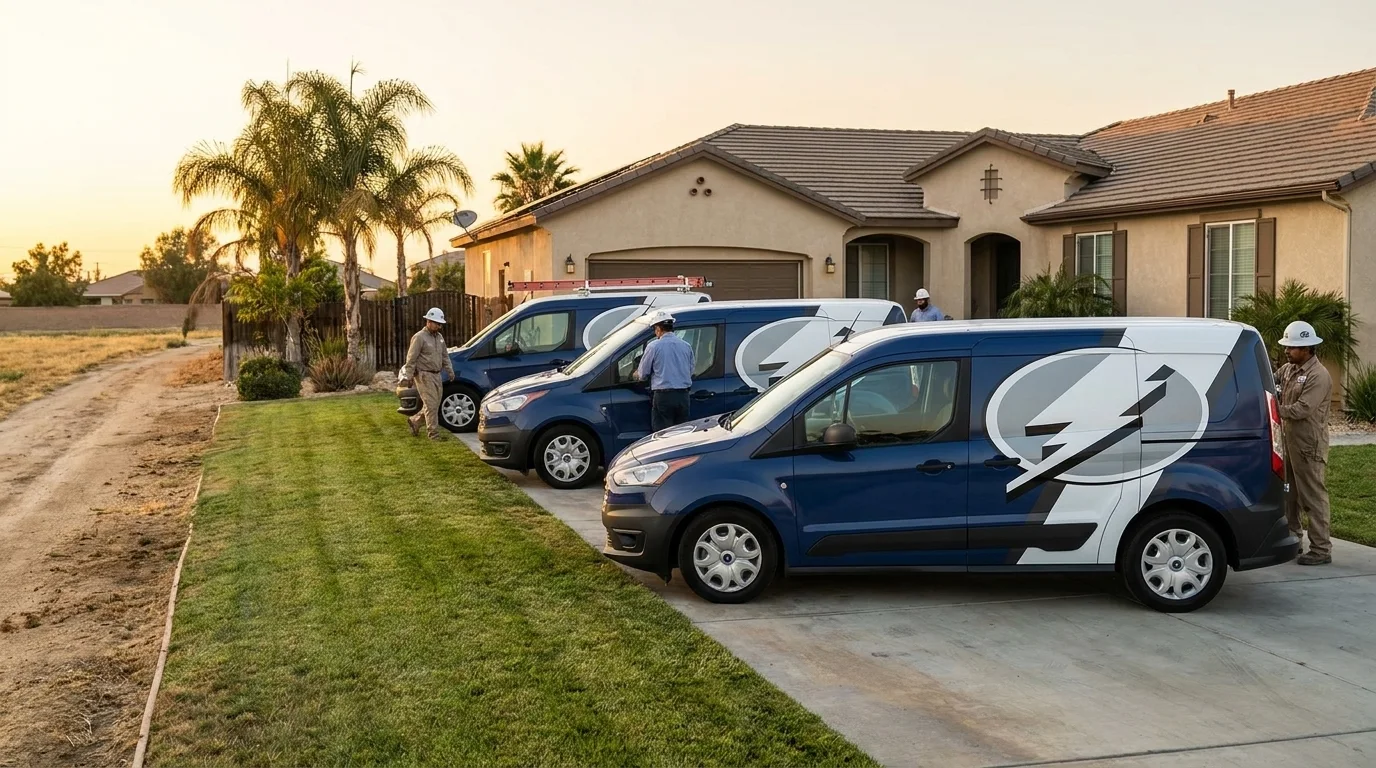
Thunder Restoration’s crews work directly with most major insurance carriers, which means the moisture readings, drying logs, and photos get handed to your adjuster in the format they expect, rather than you trying to translate technical details yourself.
If you’re dealing with a leak right now and aren’t sure whether it’s a “call insurance first” situation or a “call a restoration company first” situation, the honest answer is usually both, and doing them in the same afternoon protects you either way. Thunder Restoration can be reached at (951) 479-7038 to talk through what you’re seeing and whether on-site moisture detection and drying makes sense before more of the structure is affected.