
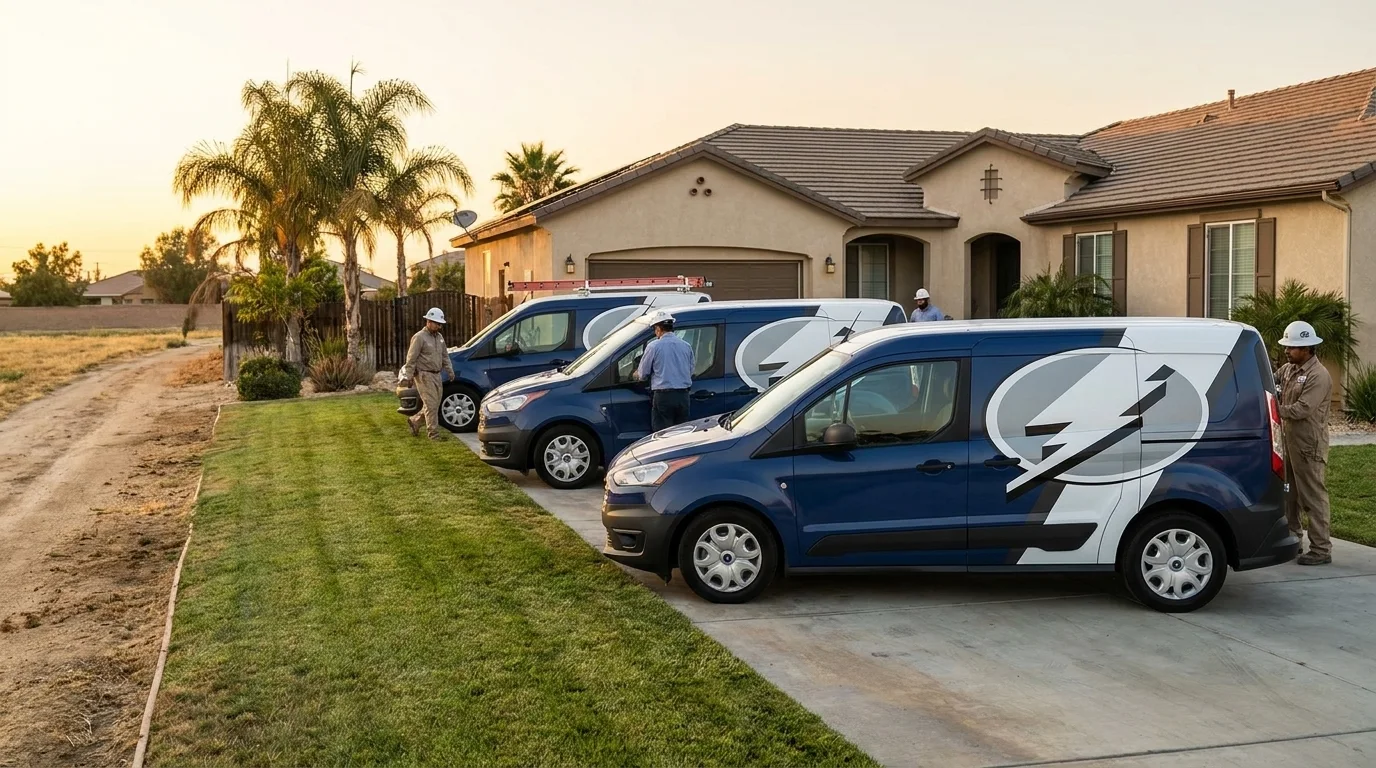
What a Trustworthy Restoration Company Actually Looks Like
The fastest way to avoid getting burned is to ask three questions before you sign anything: Is the crew actually trained to the standard they claim (ask for their IICRC certification number, not just a logo on a truck), will they bill your insurance carrier directly or demand payment up front, and will they give you a written scope of work before demolition starts. A company that hedges on any of those three is a company you walk away from. Perris has seen its share of storm-chasing crews that roll in after a bad winter, knock on doors, and disappear once the insurance check clears. The good operators are the ones who answer those three questions without flinching.
Why This Is a Real Problem in Perris
Perris sits in a part of Riverside County where the housing stock is mixed: older ranch homes from the 1970s and 80s, manufactured and mobile home communities, and newer tract developments built during the 2000s boom years. That mix matters because a 1978 slab-on-grade home with copper plumbing fails differently than a 2006 production-built house with PEX lines and engineered flooring. A contractor who only knows one era of construction will misdiagnose the other. On top of that, most of the area gets its water through Eastern Municipal Water District, and when a main line or a service lateral has an issue, the water pressure changes that follow can expose weak spots in older copper or galvanized pipe you didn’t know you had. Add in Santa Ana wind events that raise fire risk against wildland-adjacent neighborhoods, and you’ve got a market where water damage restoration, fire damage restoration, and mold remediation calls all spike for different, very local reasons. Scam operators know this pattern too, which is exactly why they target fast-growing, storm-prone areas like this one.
Red Flags That Should Make You Hang Up or Show Them the Door
- They want full payment before any work starts, in cash. Legitimate restoration companies that bill insurance will usually work with your deductible and the carrier’s payment schedule, not demand the whole job up front.
- They pressure you to sign a blank or vague work authorization. If the scope of work doesn’t list specific rooms, materials, and square footage, don’t sign it. You’re authorizing a number, not a plan.
- They can’t produce a certification number when asked. “We’re certified” means nothing without a verifiable credential behind it, like an IICRC firm number.
- They tell you mold is everywhere and the whole house needs gutting after a quick walkthrough. Mold remediation should follow testing and inspection, not a gut feeling and a sales pitch.
- They show up within hours of a storm with a truck wrap you don’t recognize and no local address. Out-of-area storm chasers are a known pattern after regional flooding or wind events, and many are gone before the warranty period on their own work would even start.
- No OSHA or safety protocol mentioned for jobs involving sewage, asbestos-era materials, or structural demolition. If a crew is cavalier about safety on your property, they’re cavalier about the work too.
What to Actually Do Before You Hire Anyone
- Document the damage yourself first. Photos and video of standing water, scorched framing, or visible mold before anyone touches anything. This protects you regardless of who you hire.
- Call your insurance company and ask what they require. Some carriers have preferred vendor lists or specific documentation requirements for water, fire, or mold claims. Know this before a contractor walks in.
- Ask for the written scope and the certification number, then verify it. A quick search of the IICRC registry takes two minutes and tells you whether the firm is actually registered.
- Get the payment and billing arrangement in writing. Specifically ask whether they bill the insurance carrier directly or expect you to front costs and get reimbursed.
- Ask what moisture or air quality testing they’ll do before, during, and after the work, especially on a mold or water job. Drying should be verified with equipment readings, not a visual check and a guess.
What the Recovery Process Should Look Like Once You’ve Hired Someone
A legitimate water damage job starts with moisture mapping, extraction, and setting drying equipment, then daily or near-daily monitoring until readings confirm the structure is dry, not just until it looks dry on the surface. Fire and smoke damage work typically starts with assessing what’s salvageable versus what needs to be removed, then a cleaning and deodorization phase before any rebuild begins. Mold remediation should always follow a documented inspection, with containment and air filtration during removal and a clearance check afterward, not a same-day demo based on smell alone. If any part of your job involves older materials that may contain asbestos, that has to be handled under its own set of protocols before general demolition starts, not folded into the same crew’s regular workflow. None of this should feel rushed. A contractor who wants to wrap a water or fire job in a single visit is skipping steps that matter for your insurance claim and for whether the problem actually stays fixed.
If you’re staring at a water stain on the ceiling, a lingering smoke smell, or a musty patch that keeps coming back, the research phase is worth the time, but don’t let it stall you into doing nothing. Thunder Restoration is an IICRC Certified Firm with OSHA trained staff and IICRC WRT certification for water damage work, serving Perris homeowners who want a straight answer about what’s actually going on in their property. Call (951) 479-7038 if you want a second opinion on a quote you’ve already gotten, or a starting point before you call anyone at all.