
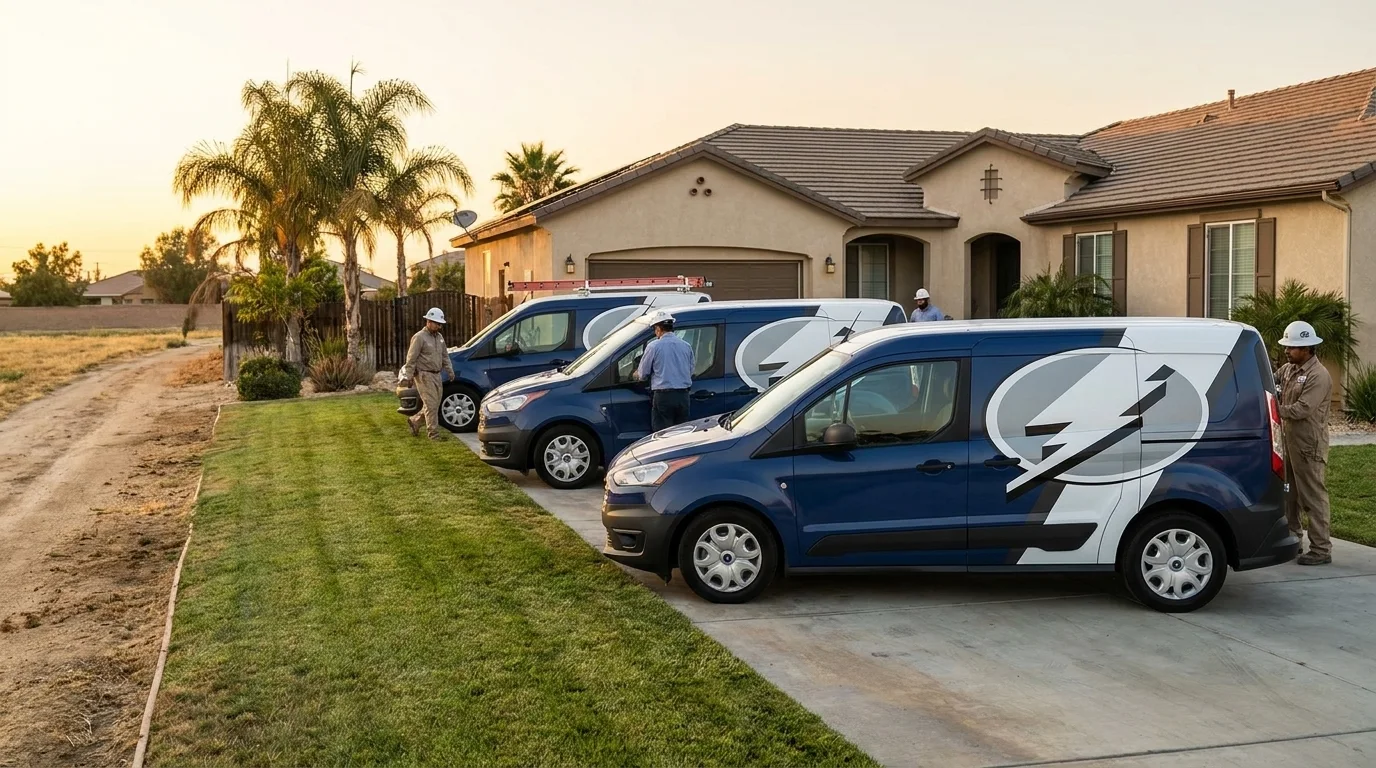
If a fire has touched your home, the restoration process generally moves through five stages: an initial safety assessment and board-up, water removal if the fire department used hoses, soot and smoke residue removal, deep cleaning and deodorization of everything that survived, and finally repairs to whatever didn’t. Most of that work needs to start within days, not weeks, because soot residue is acidic and keeps etching into metal, grout, and finishes the longer it sits. Smoke odor also works its way deeper into drywall, insulation, and subflooring the longer a structure sits closed up. Here’s what each stage actually involves, what you can safely do yourself, and where it’s worth calling in a professional.
What’s Actually Happening to Your House After a Fire
The flames are usually the smaller part of the problem. Heat warps materials, but smoke and soot travel. Hot air currents carry fine soot particles through HVAC ducts, gaps around outlets, and even closed doors, which is why a fire contained to one room can leave a greasy film on walls two rooms away. Soot from synthetic materials (carpet, upholstery, plastics) is often wet and sticky and harder to remove than soot from natural materials like wood, which tends to be drier and powdery. Then there’s water. If firefighters used hoses, you now have a water damage situation layered on top of the fire damage, with soaked drywall, saturated insulation, and standing water that needs to come out before mold has a chance to start, typically within 24 to 48 hours in a warm, humid environment.
Immediate Steps in the First 24 Hours
- Don’t re-enter until the fire department clears it. Structural damage isn’t always visible, and smoldering spots can reignite.
- Contact your insurance company right away to open a claim and ask what documentation they need before cleanup starts.
- Photograph everything before you move or touch anything, room by room, including closets and cabinets.
- Arrange board-up for broken windows or damaged doors to keep weather and wildlife out while the home sits vacant.
- Shut off utilities if the fire department hasn’t already, particularly gas, if there’s any damage to lines or appliances.
- Remove soot-covered textiles that can be laundered separately (clothing, loose linens) if it’s safe to access them, since fresh soot is easier to lift than soot that’s had days to set into fibers.
- Avoid turning on the HVAC system until it’s been inspected. If soot got into the ductwork, running the system just recirculates it through the rest of the house.
What Not to Do
- Don’t wipe soot off walls with a wet rag. Water turns dry soot into a smear that sinks into paint and drywall, making it far harder to remove later. Dry chemical sponges are the standard tool for this, not water.
- Don’t run fans or open windows to “air out” the smell before the source of the odor has been treated. Smoke odor lives in porous materials, not just the air, so ventilating alone won’t fix it and can spread loose soot further.
- Don’t eat food that was in the house during the fire, even sealed packages, since heat and smoke can compromise seals and contaminate contents.
- Don’t assume unaffected-looking rooms are fine. Smoke odor and fine soot often travel further than visible damage, especially through shared ductwork.
- Don’t throw away damaged items before your adjuster has seen them or you’ve documented them thoroughly, even if they seem like an obvious loss.
When to Call a Professional
Small, surface-level soot on a single hard surface is sometimes manageable with dry sponges and patience. But once soot has reached fabric, carpet, HVAC systems, or multiple rooms, or if there’s any water involved from firefighting efforts, the job moves past what household cleaning products can handle. Thunder Restoration is an IICRC Certified Firm with an OSHA-trained crew, which matters here because fire scenes often involve structural uncertainty, airborne particulate, and sometimes residual gas or electrical hazards that call for trained handling, not guesswork. A professional fire damage restoration assessment will typically test for how deep soot has penetrated porous materials, check humidity and structural moisture if water was used, and identify which materials can be cleaned versus which need to be removed and replaced. If smoke odor is the dominant problem rather than visible soot, that’s its own specialized process, often involving thermal fogging or ozone treatment, which falls under smoke damage restoration rather than general cleanup.
The Longer Recovery Timeline
Once the emergency steps are handled, the actual restoration tends to unfold over several phases:
Assessment and documentation. A thorough walkthrough identifies what’s salvageable, what needs replacement, and documents everything for the insurance claim with photos and moisture readings where water was involved.
Water extraction and drying, if applicable. Any water from firefighting gets extracted and the structure is dried using the same monitoring approach used in standard water damage jobs, since trapped moisture behind drywall or under flooring can turn into a mold problem within days.
Soot and residue removal. Walls, ceilings, and hard surfaces get cleaned with techniques matched to the soot type. Protein residue from a kitchen fire, for example, behaves differently than residue from a fire that involved plastics or synthetic furniture, and each needs a different cleaning approach.
Content cleaning. Salvageable belongings, furniture, textiles, and sometimes electronics are cleaned off-site in many cases, using specialized equipment that general household cleaning can’t replicate.
Odor treatment. This is often the last and most overlooked step. Visible soot can be gone while the smell lingers in insulation, subflooring, or HVAC components, which is why deodorization sometimes requires sealing or replacing materials that have absorbed smoke at a molecular level rather than just surface wiping.
Reconstruction. Anything that had to be removed, charred framing, ruined drywall, damaged flooring, gets rebuilt last, once the structure has been confirmed dry and clean.
The total timeline depends heavily on how much of the home was affected and whether water damage compounded the soot and smoke issues. A single-room kitchen fire with no water involvement moves faster than a structure fire that required hose suppression throughout multiple floors.
If you’re standing in a house that just had a fire and you’re not sure which of these steps applies to your situation, that’s a reasonable thing to call about even before you’ve decided on next steps with your insurer. Thunder Restoration can walk through what’s visible, flag what might not be, and explain what documentation will help your claim before cleanup begins. Reach the team at (951) 479-7038.